
In heating, ventilation, and air conditioning (HVAC) systems, thermal insulation is crucial for ensuring energy efficiency, comfort, and overall system performance. Proper insulation helps maintain the desired indoor temperature, reduces energy consumption, and minimizes the load on the HVAC system. This article explores the various insulation materials available for HVAC, their advantages, and considerations for selecting the right insulation for your system.
As we all know, HVAC insulation materials are designed to reduce heat transfer between indoor and outdoor environments. They are used in ducts, pipes, and equipment to prevent energy loss, condensation, and noise transmission. Insulation materials vary greatly in their thermal resistance (R-value), moisture resistance, and fire resistance; therefore, selecting the appropriate insulation material for the specific application is crucial.
So what is The Importance of Thermal Insulation in HVAC Systems?
1.Energy Efficiency: Proper insulation can minimize heat loss in winter and heat absorption in summer, thereby reducing energy costs and minimizing environmental impact.
2.Comfort: Thermal insulation helps maintain a stable indoor temperature and improves the comfort of residents.
3.Condensation Control:The insulation layer prevents condensation on cold surfaces, thereby reducing the risk of mold growth and structural damage.
4.Noise Reduction: Insulation materials can reduce sound transmission, making HVAC systems quieter and more comfortable.
Types of insulation materials used in HVAC systems
1. Fiberglass Insulation Material
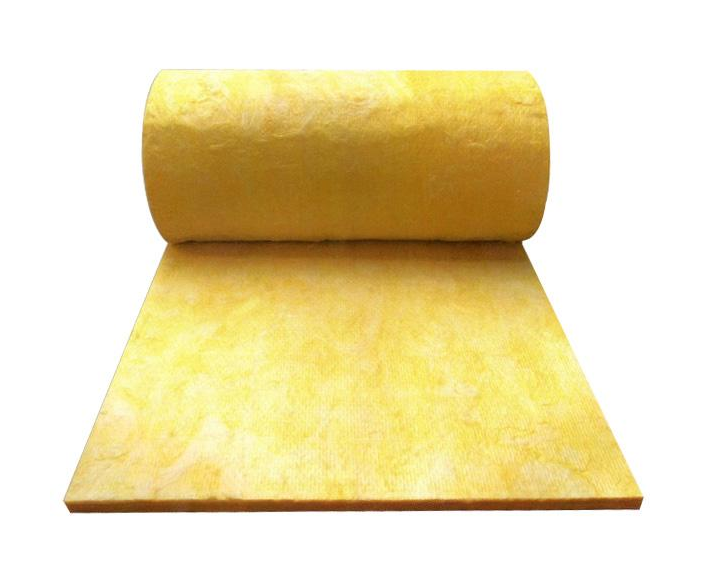
Fiberglass insulation is one of the most commonly used materials in heating, ventilation, and air conditioning (HVAC) applications. Composed of fine glass fibers, it effectively blocks air, thus providing excellent thermal insulation performance. Fiberglass insulation is available in various forms, including felts, rolls, and bulk materials, making it versatile and suitable for a wide range of applications.
benefit:
- High R-value per inch, providing excellent heat insulation.
- Non-flammable and moisture resistant.
Affordable and readily available.
Important Notes:
- Fiberglass can irritate the skin and respiratory system, so appropriate safety precautions should be taken during installation.
- Unless specifically designed for such conditions, it may perform poorly in high humidity areas.
2.Rigid Foam board insulation
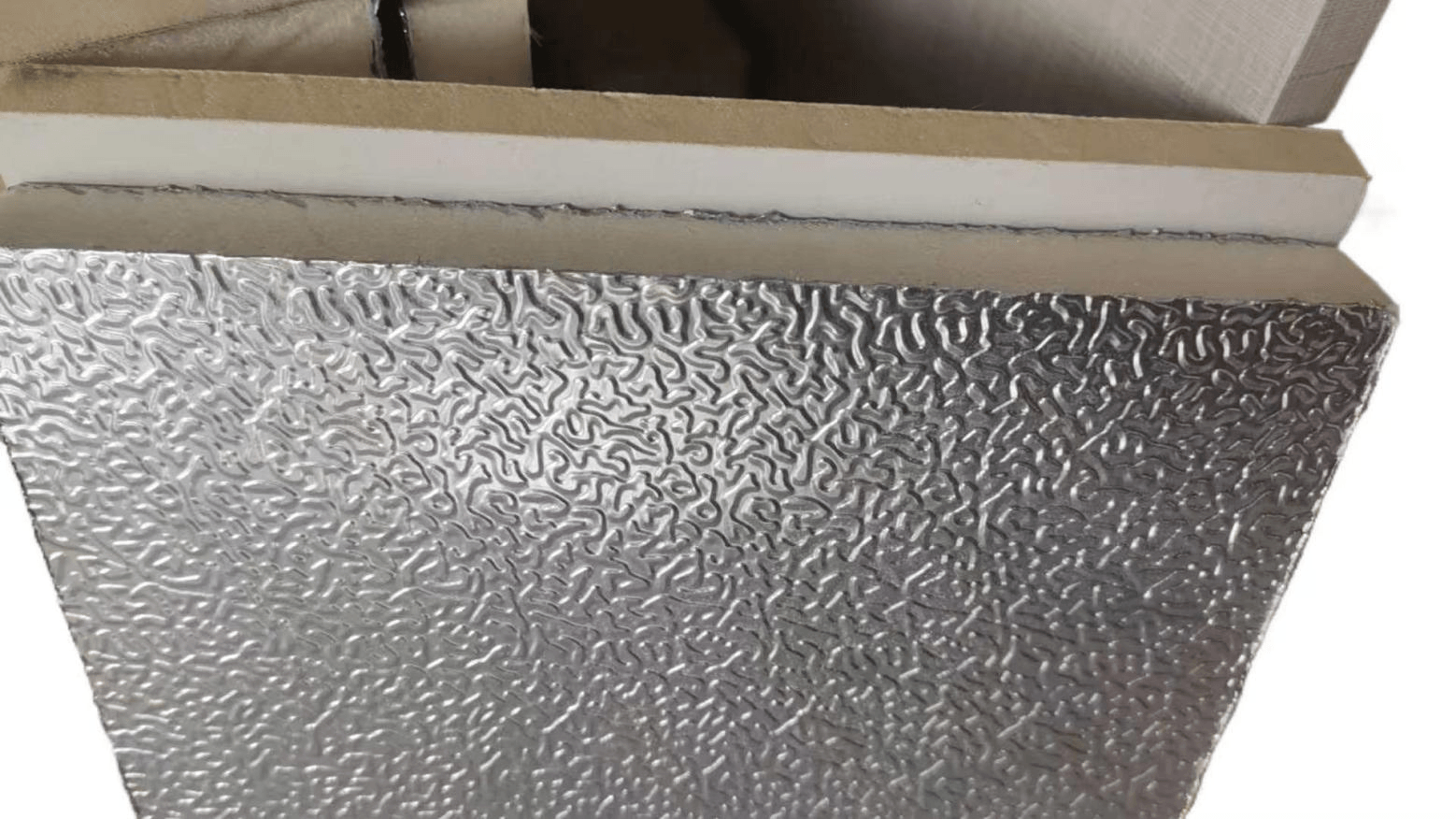
Foam board insulation material is made of rigid polystyrene, polyisocyanurate, or polyurethane. Due to its high R-value and moisture-proof properties, it is commonly used in HVAC systems for insulation of pipes and ducts.
benefit:
- Excellent heat dissipation performance with a high R-value.
- Lightweight and easy to use.
- Provides a continuous insulation layer, reducing thermal bridging.
Important Notes:
- Foam board insulation material may be more expensive than fiberglass insulation.
- Additional protective shields may be required to comply with fire safety regulations.
3. Spraying foam insulation
Sprayed foam insulation materials have a wide range of applications. After spraying, they expand, filling gaps and forming an airtight seal. They are commonly used in HVAC systems to insulate pipes, pipelines, and equipment.
benefit:
- Excellent airtightness reduces air leakage and improves energy efficiency.
- High R-value provides excellent thermal insulation performance.
- It can adapt to irregular shapes and hard-to-reach areas.
Important Notes:
Installation usually requires professional personnel, which increases costs.
- Some spray foam products may release volatile organic compounds (VOCs) during use.
4. Mineral wool (rock wool) insulation materials
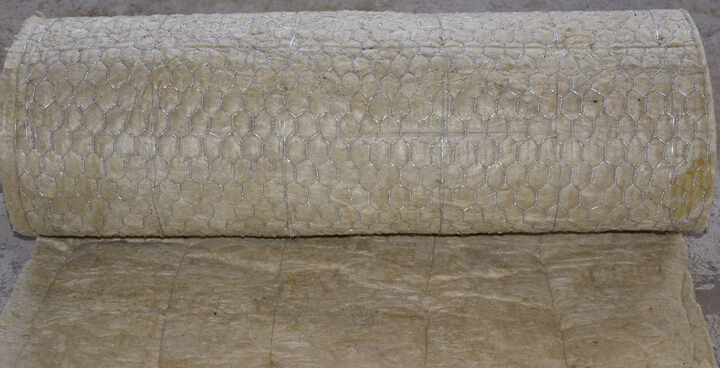
Mineral wool insulation, also known as rock wool, is made from natural or recycled materials. It has fire-resistant properties and excellent sound insulation, making it suitable for HVAC systems.
benefit:
- High fire resistance makes it a safe choice for HVAC systems.
- It has good heat insulation and sound insulation properties.
- Moisture-proof and mildew-proof.
Important Notes:
Mineral wool may be more expensive than fiberglass.
- Due to its fibrous nature, protective equipment may be required during installation.
5. Cellulose Insulation Materials
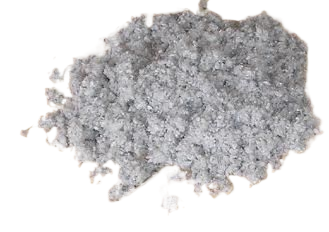
Cellulose insulation is made from recycled paper products treated with flame retardants. It is commonly used in attics and walls, and can also be used in HVAC systems.
benefit:
- Environmentally friendly, made from recycled materials.
- Excellent thermal insulation and airtightness.
- If handled properly, it can resist pests and mold.
Important Notes:
- Cellulose will precipitate over time, reducing its effectiveness.
- Professional installation may be required to ensure proper density and coverage.
6. Flexible Elastomeric Foam Rubber thermal insulation
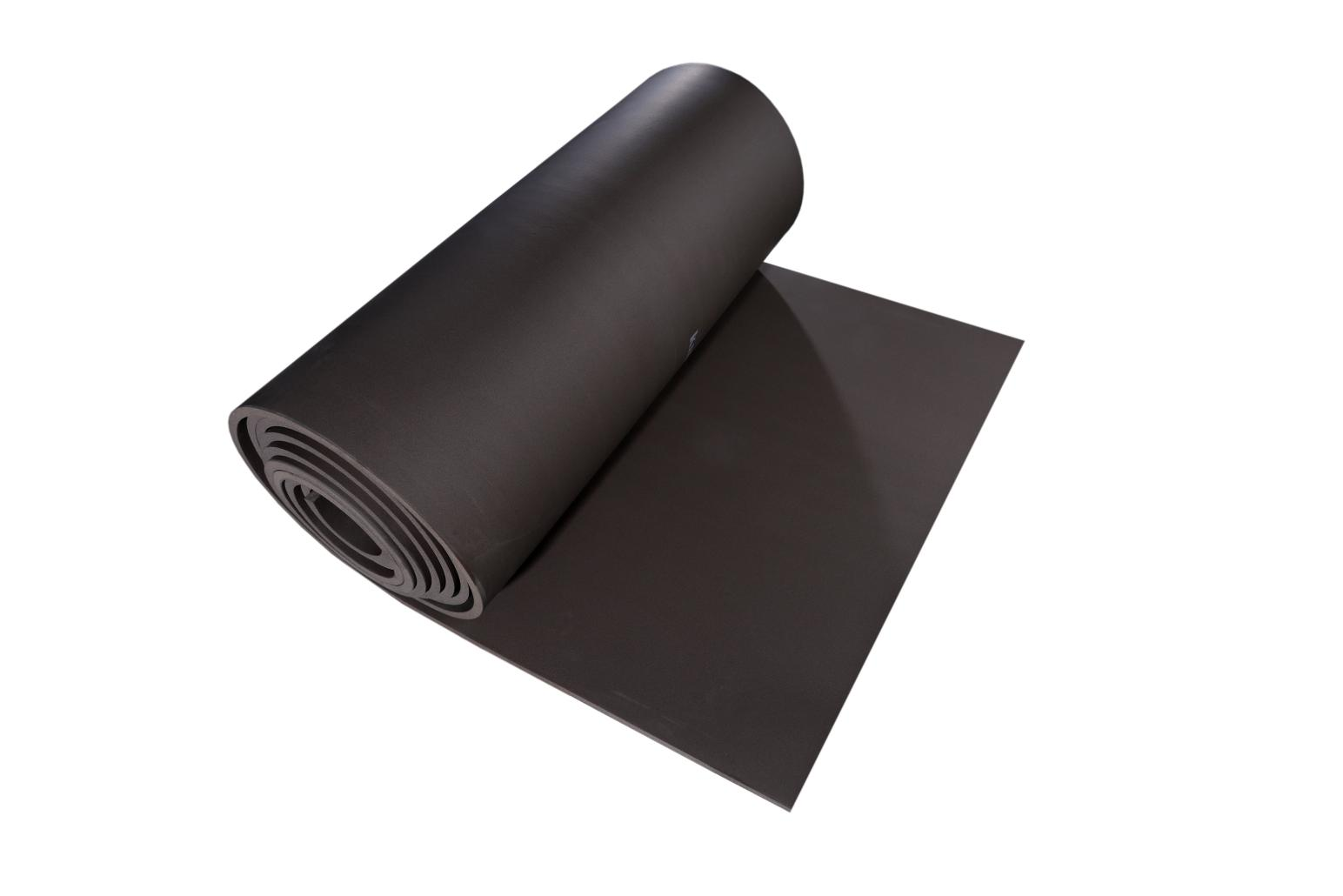
Rubber foam insulation is a flexible, closed-cell material made from synthetic rubber polymers.It is commonly used to insulate ductwork, which prevents heat loss or gain during air transport. Properly insulated ducts can enhance HVAC system efficiency by up to 20% (according to the Department of Energy).
benefit:
-Adjust the temperature of the pipeline to reduce the temperature difference between the pipeline surface and the surrounding air, thereby preventing condensation.
-Fireproof and waterproof
-low thermal conductivity
-The high heat resistance and the optimal material thickness have reduced the condensation on the surface.
-The use of King’flex insulation for water pipes can significantly reduce the risk of pipe freezing or rupture.
-Improve insulation value: Save more energy and reduce carbon dioxide emissions
- Reducing convective heat loss, increase the water supply temperature by approximately 4 degrees, and allow the temperature of the household water heater to be lowered to save energy.
-After using the products of Kingflex rubber foam insulation, the reduction of energy waste can lower the cost of water and electricity, and enhance the overall efficiency of the building’s piping system.
-For cold water pipes, insulation materials can prevent heat from entering the system, ensuring that the water temperature remains cool and comfortable.
- Lightweight and easy to install.
-For hot water pipes, insulation materials help to maintain the water temperature stable throughout the entire process from the water heater to the faucet, thereby reducing the energy consumption of the water heater.
-The closed-cell structure can prevent the penetration of water vapor, thereby avoiding the risk of corrosion.
- Can be used in combination with other insulating materials to improve performance.
How to Choose the Right Heating, Ventilation and Air Conditioning Insulation Materials
When selecting insulation materials for HVAC systems, the following factors should be considered:
1. R-value: The higher the R-value, the better the thermal insulation performance of the insulation material. Choose the appropriate R-value insulation material based on the climate of your region and the application scenario.
2. Moisture resistance: In humid environments, choose moisture-resistant insulation materials to prevent mold growth and damage.
3. Fire Safety: Ensure that the insulation materials comply with local fire safety regulations and standards.
4. Installation Method: Consider whether you will install the insulation material yourself or hire a professional, as some materials require specialized installation techniques.
5. Cost: Evaluate the cost of insulation materials and installation to find a solution that meets both budget and performance requirements.
Thermal insulation materials are an essential component of HVAC systems, contributing to improved energy efficiency, comfort, and system performance. By understanding the various types of insulation materials, their respective advantages, and considerations, homeowners and building managers can make informed choices to enhance the efficiency of their HVAC systems. Whether choosing fiberglass, foam board, sprayed foam, mineral wool, cellulose, or reflective insulation materials, the right choice will ultimately result in a more comfortable and energy-efficient environment.
If you have any question, please feel free to contact with Kingflex sales team at any time.
Post time: Mar-01-2026


